Lawrenceville, GA · Garage Door Service
Garage door service for Lawrenceville homes built mostly in the 1980s-90s. We stock torsion springs and rollers sized for this area's aging opener hardware.
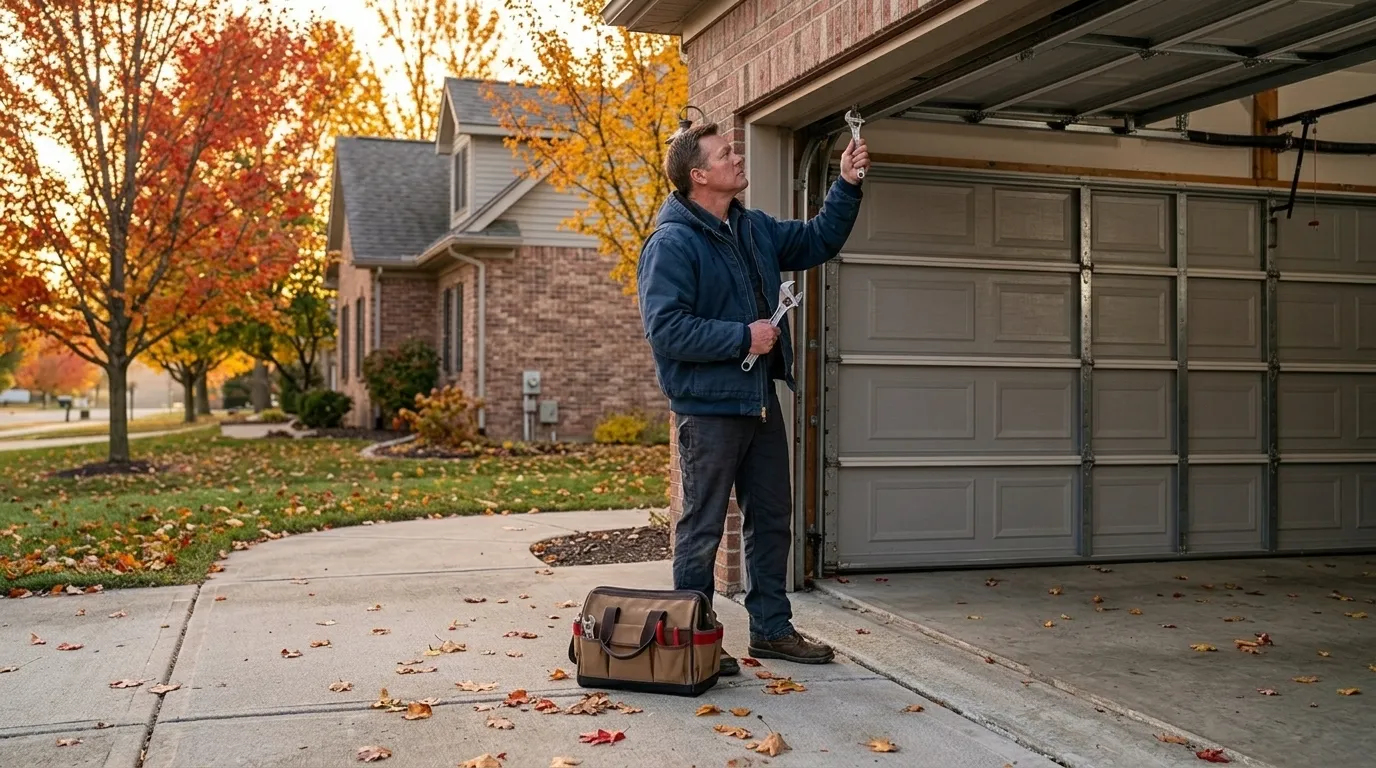
Most of the doors we get called out to in Lawrenceville sit on houses built between 1951 and 2012, with the median landing around 1991. That means a huge share of the openers and torsion systems out there are the same 1980s and 90s hardware - chain-drive openers with worn drive gears, steel torsion springs rated for the original door weight, and galvanized rollers that have outlived their lubrication. We keep .225 and .243 wire torsion springs in stock, along with the nylon and sealed-bearing rollers that replace the stamped-steel originals most of these doors shipped with. We also carry standard-lift cable and the drums sized for 7-foot sectional doors, since that's the most common configuration across the 25 named areas we work in here. What we don't stock is anything for high-end custom doors with oversized panels - those parts are special order, and if that's your door, we'll tell you the lead time up front instead of guessing at a same-day fix.
On a house from this era, the first sign is usually a spring that lets go without warning - a loud bang from the garage, then a door that won't lift past a foot or two. Second most common is a chain-drive opener that strains and grinds on cold mornings, because the grease in an original-era gear housing thickens up once temperatures drop into the 30s. Rollers on 25-30 year old track show up as a rhythmic squeal or a door that jumps sideways slightly as it travels, since the original steel rollers have worn flat spots. We also see torsion drums that have slipped on their shaft, usually paired with a door that hangs crooked on one side. None of this is unique to any one street - it's the pattern for a service area where the housing median sits at 1991 and a lot of that original hardware is still in place, just past its working life.
For a broken torsion spring, we match the wire size and wind to the door's actual weight rather than guessing off the old spring's coil count, since decades of sag or a prior repair sometimes mean the original spec was already wrong. On chain-drive openers struggling in cold weather, we clean and re-lubricate the gear housing with a grease rated for the temperature swings this area gets rather than the summer-only lubricant a lot of DIY tubes contain. Worn rollers get replaced in full sets, not one at a time, because mixing old steel rollers with new nylon ones just shifts the noise to the next-worst roller. Slipped torsion drums get reset and the set screws re-torqued to spec - a five-minute fix if it's caught before the cable jumps the drum, a bigger job if it hasn't been. One honest limit: if the door itself has warped panels or rusted-through bottom sections from age, we'll tell you replacement makes more sense than another repair, because springs and rollers won't fix a door that's already failing structurally.
This isn't a generic wear-and-tear story. Lawrenceville's housing stock is mostly 1980s-90s construction, and this area sits in a moderate cold climate band - not the deep freeze of the upper Midwest, but enough seasonal temperature swing that steel torsion springs and gear-housing grease cycle through expansion and contraction every year. A spring rated 25 years ago for a specific door weight has been through three decades of that cycling, and metal fatigue from repeated flex is cumulative, not sudden - until it isn't. Add in original-spec rollers that were adequate for the era but were never sealed-bearing units, and you get a service area where springs, rollers, and cold-stiffened opener gears are the recurring calls, not because owners here neglect maintenance, but because the housing age and the climate band line up to put that hardware past its working life at roughly the same time across a lot of houses at once.
Torsion springs fail from metal fatigue after thousands of open-close cycles, and a lot of Lawrenceville houses still have their original spring from construction in the 1980s or 90s. The wire weakens gradually with age and with each seasonal temperature swing, then lets go on an ordinary lift with no prior noise.
Yes. In this area's moderate cold band, grease inside an older chain-drive opener's gear housing thickens as temperatures drop, which makes the motor strain and the door open slower or louder on cold mornings. Re-lubricating with a cold-rated grease usually resolves it if the gears themselves aren't already worn.
If the door body, panels, and track are sound and it's just noisy or dropping slightly off track, rollers and hardware usually fix it. If panels are warped or the bottom section is rusted through, which shows up more on the oldest houses in this area's stock, replacement is the more honest answer.
Call now or request a free quote - same-day service on most repairs, upfront written pricing.