Lawrenceville, GA · Garage Door Service
Spring repair for North Decatur's 1970s-era garage doors, serviced from Lawrenceville, 20 miles out. Torsion and extension spring work for original hardware.
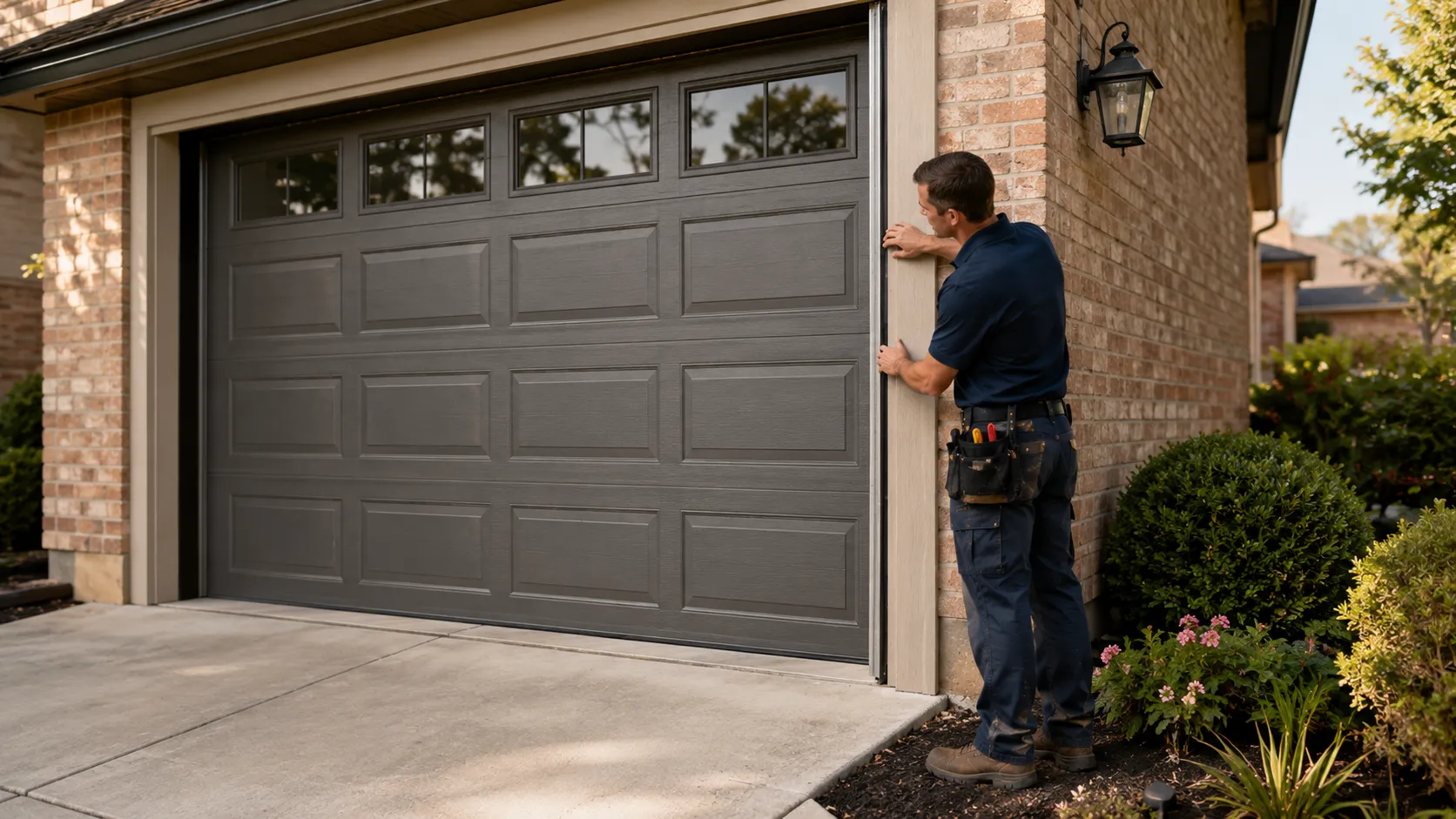
North Decatur's houses mostly went up around 1974, which puts a lot of doors here on hardware from a different era than what you'd find on newer construction closer to Lawrenceville. Doors from that period often ran on single torsion springs sized for lighter, thinner panels, or extension springs mounted along the horizontal tracks rather than over the door itself. We carry a range of torsion spring sizes on the truck along with extension spring sets, safety cables, and standard drums and end bearings, because a 1970s door and a 2005 door don't take the same parts and we don't want to make a second trip for something we should've had the first time. What we don't stock is anything obscure or discontinued - if your door has a factory spring nobody's made in decades, that's a special-order situation and we'll tell you upfront instead of guessing at a fit.
We're coming from Lawrenceville, about 20 miles out, so when we head your way we try to have both spring types loaded rather than betting on one. It cuts down on the chance we show up short.
Tell us the door's rough age when you call, along with whether it's a single wide door or two singles - that alone narrows down which springs we bring. If you know it's original to the house, say so; a door untouched since 1974 tells us more than a model number would at this point, since a lot of those labels have worn off entirely.
We schedule the North Decatur run the same way we do the rest of the service area: by what you tell us about the door and what we can see once we're there. We don't keep a local branch here, so every visit is a trip out from Lawrenceville, which is worth knowing if you're weighing same-day against next-day.
On a house from the early 1970s, the most common call is a torsion spring that's simply given out - the door won't lift past a few inches, or it slams down instead of easing shut. On the extension-spring setups from that same period, the failure usually looks different: one side sags lower than the other, or you hear a snap and the door drops fast because the safety cable either isn't there or has already done its job by stopping a broken spring coil from becoming a projectile.
Cold spells matter here too. This area sits in a moderate cold climate band, and steel springs lose a little flex in a hard cold stretch, which is often when a spring that was already worn past its rated cycles finally lets go. It's not usually the cold causing the failure outright - it's the cold finding the weak point that was already there.
The complication with older stock like North Decatur's is less about the spring itself and more about what's attached to it. Fifty-year-old brackets, drums, and cable can be pitted or bent in ways that don't show until we've got the old spring off and can see the shaft clearly. If the bearings are seized or the drum's cracked, replacing just the spring and leaving worn hardware in place is how you end up back at square one in a year.
With household income here running well above the wider area's median, more homeowners in North Decatur ask us to replace the full spring and hardware set rather than patch one component - not because it's required, but because it holds up longer. We'll always tell you which repair is actually needed versus which is optional; we're not going to talk you into a full hardware swap on a door that just needs one part.
A straightforward torsion spring swap on a single door, once we're on site with the right size loaded, usually runs under an hour. Double doors with two springs, or extension setups where we're also replacing cable and pulleys, take longer - sometimes close to two hours if the hardware's worn enough that we're doing more than just the spring.
What we can't shorten is the drive. Since we're running from Lawrenceville, about 20 miles from North Decatur, that's built into the visit whether it's a quick fix or a full hardware job. We'd rather be upfront about that than promise a window we can't hit.
We match the spring wind and size to the door and the opener's lift capacity, not just to whatever came off the shaft. On a house with original 1974 hardware, that sometimes means the door's actual weight has crept up over the years - an extra layer of insulation panel added later, a different opener installed - so we check the balance rather than assuming the old spring spec still fits.
We replace worn cable, bearings, and end brackets when they're compromised, not as a routine upsell. Once the new spring's set, we test the door's balance by hand before handing it back over to the opener, because a spring that's off by even a quarter turn will shorten its own life and the opener's motor along with it.
Yes. Most homes here date to around 1974, and we stock torsion and extension springs sized for that era's doors on the truck. If your door has an unusual factory spring that's been discontinued, that's the one case we'd need to special-order, and we'll tell you before starting.
Not always. If the spring failed but the drums, bearings, and cable are still sound, we replace just the spring. On older hardware we check the rest of the system first, since worn brackets or a cracked drum can cause a repeat failure if left alone.
We run out of Lawrenceville, about 20 miles from North Decatur. That distance is part of scheduling every visit, so it helps to know your door's age and whether it's a single or double when you call, so we bring the right spring the first trip.
Cold doesn't usually cause a spring to fail on its own, but this area sits in a moderate cold climate band, and steel springs lose some flex in a hard cold stretch. That's often when a spring already near the end of its rated cycles finally gives out.
Call now or request a free quote - same-day service on most repairs, upfront written pricing.